


There is something truly special about the "Golden Era" of Hindi cinema that is hard to replicate. Listening to these tracks is like stepping into a hand-painted dream, where the melodies carry the fragrance of rain-soaked earth and the gentle glow of a flickering lamp. Ultimately, the Golden Era remains an unfading tapestry of nostalgia, where every song is a bridge to a world that valued the slow, deliberate unfolding of beauty above all else.
The evolution of Hindi film music is a fascinating mirror of India’s social and cultural shifts. From the soulful melodies of the post-independence era to the synth-heavy beats of the 90s, each decade carves out a distinct identity.

1940s — The Dawn
The decade began with the shadow of World War II and the birth of a new nation. Hindi film music in the 1940s was deeply rooted in classical Indian traditions. Songs were essentially theatrical performances drawing from thumri, khayal, dadra forms. The music was sparse in instrumentation — harmonium, sarangi, and tabla were primary. K.L. Saigal was the reigning male voice, his nasal timbre defining the aesthetic. Noor Jehan and Suraiya were prominent female voices. Composers like Ghulam Haider and Anil Biswas relied on raga-based compositions. The recording technology was not advanced. The playback singing system was just getting established, making this a transitional era between actor-sung and professionally sung film songs. The late 40s saw the emergence of Lata Mangeshkar, whose arrival shifted the preference toward a thinner, more refined vocal texture.
From the shadows of black-and-white reels emerged classics like:Anmol Ghadi, Kismat, Shaheed, Barsaat, Mahal, Nadiya Ke Paar.
AUDIO SECTION
• सदाबहार गीतों का सफर दशक-दर-दशक:


1950s — The Golden Era
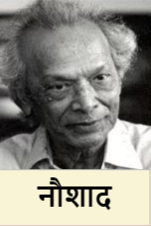
The 1950s is widely regarded as Bollywood music's finest decade. The transition from actors singing their own songs to dedicated playback singers was now complete, elevating vocal quality dramatically, thanks to Naushad. Lata Mangeshkar emerged as the dominant female voice — her crystalline soprano became the defining sound of the era. Mohammed Rafi, Mukesh, Talat Mahmood, and Hemant Kumar offered distinctive male textures. Naushad introduced full western string orchestras alongside Indian classical elements. S.D. Burman and Shankar-Jaikishan crafted melodies of extraordinary depth. The music was characterized by intricate raga-based melodies, lush string arrangements, and a fusion of folk traditions. It was an era of artistic perfection, Lyrics became poetic and meaningful, songs often drove the narrative and were treated with the same seriousness as the script, creating timeless classics. Films like Pyaasa, Awaara, and Baiju Bawra produced some of the most enduring songs in Hindi cinema history.
Landmark films that defined the 1950s include: Shree 420, Mother India, Albela, Daag, Awaara, Pyasa, Naya Daur, Madhumati, Baiju Bawra, Nagin, Chalti Ka Naam Gaadi, Anari, Kaagaz Ke Phool, C.I.D., Chori Chori, Jagte Raho, Sujata
VIDEO SECTION -1
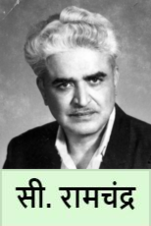
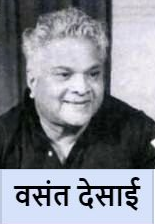
• स्वर्णिम युग के लोकप्रिय संगीतकार:






1960s - The Rich Harvest of Melodies
In the 60s, orchestration grew richer, yet melody remained central. Music became integral to storytelling, elevating films emotionally and artistically. This decade saw Bollywood confidently borrowing from western popular music without abandoning its Indian soul. Romantic and upbeat songs coexisted with classical-based compositions. O.P. Nayyar brought a punchy, rhythmic style that consciously avoided classical forms and Asha Bhonsle bacame the undisputed queen of western style Hindi film music. Kishore Kumar's playful, yodelling style gained ground alongside Rafi's versatility. Madan Mohan elevated the ghazal form in cinema. The music became "prettier" and more colorful, mirroring the transition from black-and-white to Technicolor cinema. Mohammad Rafi’s versatile voice defined the decade, moving effortlessly from classical ghazals to high-energy westernized tracks. The "Shammi Kapoor style" of exuberant, rhythmic dancing influenced compositions, making music more performance-oriented and visually flamboyant.
The golden glow of 1960s cinema was carried by varietyfull masterpieces such as: Mughal-e-Azam, Parasmani, Chaudhvin Ka Chand, Sangam, Guide, Aradhana, Barsaat Ki Raat, Dosti, Waqt, Upkar, Do Raaste, Jewel Thief, Padosan, Ganga Jamuna, Jungli, Hum Dono, Badini, Kashmir Ki Kali, Mera Saaya, Teesri Manzil, Ram Aur Shyam
, An Evening In Paris
VIDEO SECTION -2
• संगीत खजाने की कुछ बेहतरीन आवाजें:


• संगीत खजाने के कुछ अन्य मोती:


1970s - The R.D. Burman Revolution
The legacy of soul-stirring solos and playful duets continued in the 70s as well. The shift from studio-era restraint to director-led innovation introduced freshness and versatility, blending East-West music. The 1970s brought a seismic shift led largely by Rahul Dev Burman (Pancham). Fuelled by the dashing heros like Amitabh Bacchan and Dharmendra, the music turned rawer, louder, and more experimental. Western funk, rock guitar riffs, psychedelic sounds, and even African percussion found their way in. Kishore Kumar became the dominant male voice — his irreverent style perfectly matched the era's rebellious energy.Laxmikant-Pyarelal and Kalyanji-Anandji delivered massive, brassy orchestrations. Traditional melodies took a backseat to rhythm and mood. The music transitioned from nostalgic ballads to dynamic, eclectic soundscapes. This era reflected changing social dynamics and global musical influences, making Hindi film music more contemporary and energetic. It was the first decade where Bollywood music felt genuinely plugged into global popular trends. The untimely passing of Mohammed Rafi was a profound loss to the music world, yet it also welcomed the rise of melodious talents such as K. J. Yesudas.
The big hit movies from the 1970s were: Johny Mera Naam, Sachaa Jhutha, Khilona, Purab Aur Paschim, Humjoli, Anand, Caravan, Kati Patang, Hare Rama Hare Krishna, Pakeezah, Amar Prem, Bobby, Yaadon Ki Baaraat, Abhimaan, Sholay,Aandhi, Chupke Chupke, Kabhi Kabhie,Amar Akbar Anthony, Muqaddar Ka Sikandar, Don, Gol Maal
The 1980s: The Disco and Doldrums
The 80s were a polarizing period. The early part of the decade was dominated by the Disco Revolution, led by Bappi Lahiri and Nazia Hassan, bringing synthesizers and programmed beats to the forefront. Songs became more about rhythm and visual spectacle than intricate classical construction, with shorter, catchier hooks and heavy use of drum machines and synths with irreverent style. This era's shift prioritized commercial catchiness and youth appeal over classical depth, reflecting economic liberalization and influx of Western media. However, as the "action era" took over cinema, many felt the quality of melody declined, replaced by loud, formulaic tracks. There was a brief slump until 1988, when Qayamat Se Qayamat Tak arrived. This sparked a "musical revival," bringing back innocent romance and acoustic melodies, paving the way for the massive orchestral ballads that would define the next decade. The 1980s also witnessed the graceful arrival of a new generation of voices that brought freshness and charm to Hindi film music. Singers like Anuradha Paudwal, Kavita Krishnamurthy, and Alka Yagnik emerged with distinctive styles, adding more variety to the melodies of the era, and gently reshaping the soundscape of the decade.
Some of the most rocking films from the 1980s were:Qurbani, Rocky, Karz, Laawaris, Yaarana, Umrao Jaan, Love Story, Ek Duje Ke Liye, Silsila, Khuddar, Disco Dancer, Nikaah, Satte Pe Satta, Prem Rog, Hero, Masoom, Nagina, Mr. India, Tezab, Chandani, Karma, Namak Halal, Maine Pyar Kiya, Qayamat Se Qayamat tak
1990s — Romantic Renaissance
The 1990s brought a welcome course correction with massive romantic superhits like Aashiqui and Maine Pyar Kiya. The transition emphasized emotional depth, orchestration, and poetry over beats, driven by audience demand for nostalgia and propriety. The early decade saw composers like Ram-Laxman, Nadeem-Shravan and Jatin-Lalit revive lush, melodic romanticism, perfectly synchronised with the mega-hits of the era. Music became cleaner, more layered, and nationally appealing across all age groups. The recording technology was top-notch and promotional music videos on TV channels helped songs become stand‑alone hits. The melody sisters, Lata and Asha, graced the world with five glorious decades of their enchanting voices. The decade's defining watershed, however, was A.R. Rahman's debut with Roja (1992), which fused electronic production, Carnatic classical influences, world music textures, and pop sensibility in a wholly unprecedented way. Singers like Udit Narayan, Kumar Sanu, and Alka Yagnik dominated the airwaves with sugary, romantic hits, while the decade ended with a sophisticated blend of Sufi, folk, and pop influences.
Cinema in the 1990s was defined by popular titles like: Dil, Ghayal, Aashiqui, Saajan, Sadak, Dil Hai Ke Manta Nahin, Phool Aur Kaante, Beta, Jo Jeeta Wohi Sikandar, Baazigar, Darr, Hum Aapke Hain Koun, Andaz Apna Apna, Dilwale Dulhania Le Jayenge, Karan Arjun, Rangeela, Dil To Pagal Hai, Border, Kuch Kuch Hota Hai, Hum Dil De Chuke Sanam
As the 20th century drew to a close, the enchantment of music seemed to fade into a quieter, less inspired echo of its former self. It began to feel as though the soul of melody had slipped away, leaving behind compositions that were increasingly mechanical and repetitive. The spring of fresh ideas appeared to run dry, and the once-abundant flow of timeless tunes diminished sharply. Memorable melodies became elusive, and even those that briefly captured the ear often vanished too soon, like fleeting whispers in a restless age.
♫ To enjoy the treasure of popular songs from the Golden era of Hindi films, install this app from Google Playstore:  गीत बहार: The Garden of Songs.








0 comments:
Post a Comment
Hey! Don't spread CORONA but you can share and spread this article and make it viral ! 😊